
Summer Skin Prep: How to Prep Your Skin Without Overdoing It

The second the weather warms up, people panic and start changing everything about their skincare routine.
More exfoliation. Stronger products. Extra treatments. Suddenly everyone is trying to “fix” their skin before summer arrives.
And most of the time, that’s exactly what causes irritation, breakouts, inflammation, and skin barrier damage.
Summer skin prep should make your skin healthier, not more stressed.
If your skin already feels sensitive, congested, dehydrated, or unpredictable, aggressively attacking it before summer usually backfires. Balanced summer skin comes from hydration, consistency, and supporting your skin barrier instead of overwhelming it.
Healthy summer skin usually looks calmer, more hydrated, and naturally glowy.
The goal is not perfect skin. The goal is skin that feels calmer, stronger, and more predictable through heat, sweat, travel, and sun exposure.
Why Your Skin Behaves Differently in Summer
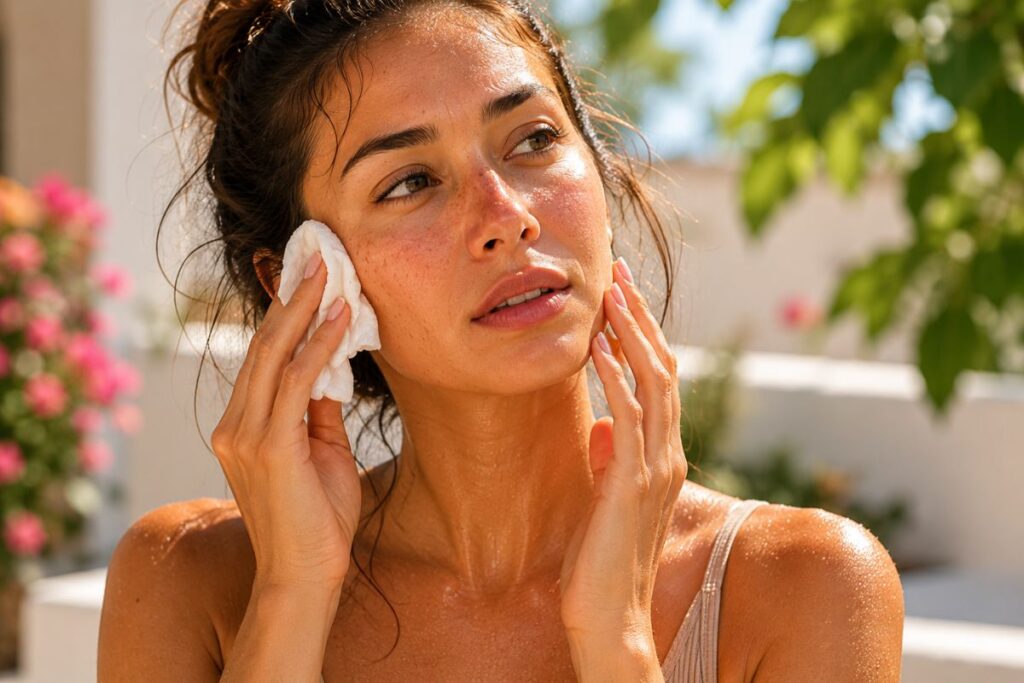
A lot of people assume summer skin automatically means oily skin. But that is not always what is happening.
As temperatures rise, your skin starts responding differently to the environment around it. Higher temperatures and humidity can increase sweat and oil production, while heat, humidity, sweat, increased sun exposure, travel, and changes in routine can all affect how your skin behaves.
During summer, many people notice:
- increased oil production
- more congestion and clogged pores
- heat-related inflammation
- dehydration from sun exposure
- more sensitivity and irritation
- an increase in summer breakouts
Here’s the important part most people miss:
Summer skin is not just “oily skin.” It’s often dehydrated, reactive skin pretending to be oily.
When the skin barrier becomes disrupted, especially during the summer months when uv exposure, chlorine, and excessive sweating can weaken it and leave skin dry, irritated, and inflamed skin, your skin starts compensating. That can look like excess oil, uneven texture, redness, breakouts, or makeup suddenly not sitting the way it used to.
That’s why summer skin prep should focus less on stripping the skin and more on keeping it balanced.
Many people dealing with summer breakouts are also unknowingly dealing with dehydration and barrier damage at the same time.
The Biggest Summer Skincare Mistakes People Make
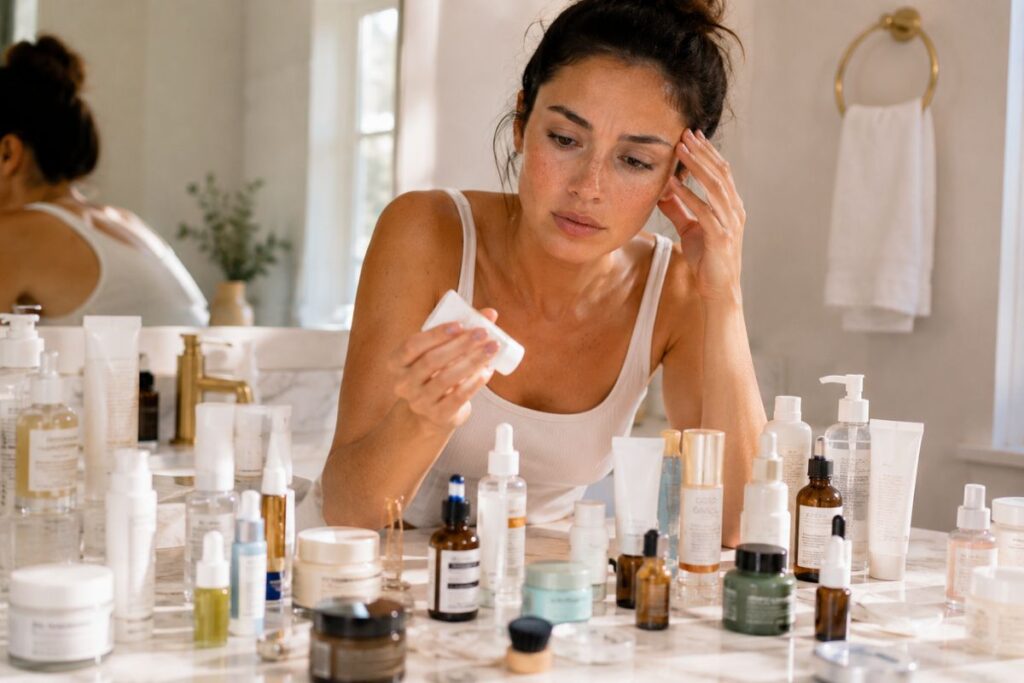
This is where a lot of people accidentally create more problems than they solve.
Over-Exfoliating Dead Skin Cells
The second people notice dullness, texture, or clogged pores, they start overusing acids, scrubs, retinol, and exfoliating treatments.
The problem is that over-exfoliation damages the skin barrier. In most cases, chemical exfoliants like AHAs and BHAs should be used only 1 to 3 times a week, depending on skin tolerance and sun exposure.
When that happens, the skin becomes:
- more inflamed
- more reactive
- more prone to breakouts
- more sensitive to heat and sun exposure
More exfoliation does not automatically create smoother skin. In many cases, it creates irritation disguised as “purging.”
Using Harsh Acne Products
Summer heat already increases inflammation in the skin. Adding aggressive acne products on top of that can leave the skin stripped, tight, and reactive.
A lot of traditional acne products focus on drying the skin out as quickly as possible, and even ingredients like salicylic acid should be used carefully in summer skin care rather than aggressively. But dehydrated skin often produces even more oil in response.
That cycle usually leads to:
- rebound breakouts
- irritation
- redness
- compromised skin barrier function
Skipping Hydration Because Skin Feels Oily
This mistake is incredibly common.
People assume oily skin does not need hydration, so they stop moisturizing or switch to overly drying products.
But dehydrated skin can actually overproduce oil.
The best hot weather skincare routines usually focus on lightweight, non-comedogenic moisturizers that support moisture with humectants like hyaluronic acid and glycerin instead of aggressive correction.
Hydration does not have to feel heavy to be effective. Skin dehydration is common in summer, so drinking water and using hydrating mists or serums through the day can help.
This is why many people respond better to hydrating summer facials than aggressive resurfacing treatments before vacation season.
Changing Too Many Products at Once
Summer does not require an entirely new skincare identity.
A lot of people suddenly buy trending products, overload their routine, and start experimenting all at once before vacations, beach trips, weddings, or summer events.
That usually creates confusion instead of results.
Consistency tends to work better than constantly switching routines every few weeks.
What Your Skincare Routine Actually Needs Before Summer
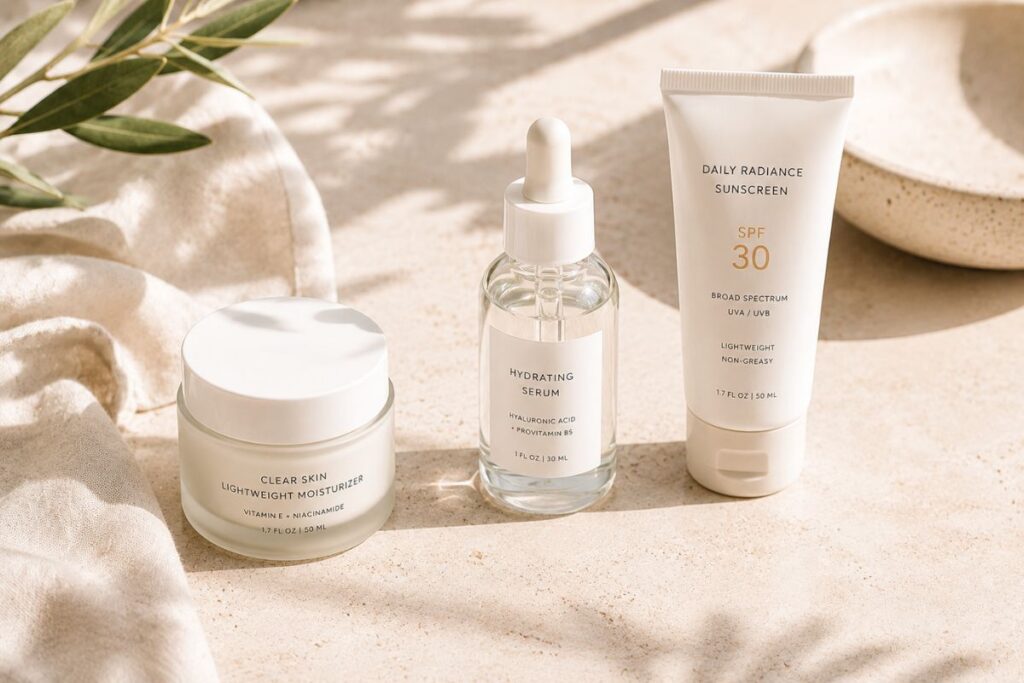
Most healthy summer skin comes down to a few simple things being done consistently.
Barrier Support
Your skin barrier is the outermost layer of your skin, responsible for helping it retain moisture and protect against environmental irritants, allergens, and microbes so it stays calm, resilient, and balanced.
When the barrier is healthy, skin tends to:
- hold hydration better
- experience less irritation
- recover more easily
- become less reactive overall
Use fragrance-free, ceramide-rich moisturizers and gentle cleansers that do not strip the skin to help protect it.
Supporting the barrier before summer helps your skin tolerate heat, sun exposure, sweat, and travel more comfortably.
Lightweight Hydration
Hydration matters even more during warmer months.
Instead of thick, heavy products, summer skincare routines usually work best with:
- lightweight hydration layers
- calming ingredients
- gel-based textures
- products that support hydration without suffocating the skin
Hydrated skin typically looks smoother, healthier, and more balanced overall.
This is especially important in a summer skincare routine for sensitive skin, where too many heavy or aggressive products can quickly trigger irritation.
Controlled Exfoliation
Exfoliation still matters. It just needs to be strategic. Exfoliating 1 to 2 times a week is usually enough to support smoother texture and help skin better absorb hydration.
The goal is not removing your face. The goal is maintaining smooth texture safely and consistently without triggering inflammation.
When done correctly, controlled exfoliation can help remove dead skin cells and reduce ingrown hairs from shaving or other hair removal. It can also help:
- improve texture
- reduce congestion
- brighten dull skin
- support smoother makeup application
Without destroying your skin barrier in the process.
Sun Protection That You’ll Actually Wear
SPF does not need to become a stressful, fear-based conversation.
The best broad spectrum sunscreen is usually the one you will actually use consistently, and while the FDA says SPF 15 is the minimum, many experts note that spf protects better at 30 or higher.
Adding a brightening vitamin like vitamin c underneath creates a symbiotic relationship that can help enhance protection against sun damage.
Summer skincare works better when you apply sunscreen daily to all exposed areas, including the arms, legs, chest, ears, hands, and feet, and reapply every 2 hours or right after swimming or sweating.
About one ounce is enough for the body, and avoiding direct sun during peak hours from 10:00 a.m. to 4:00 p.m. adds protection.
Consistency matters more than perfection.
Why Professional Treatments Help Before Summer
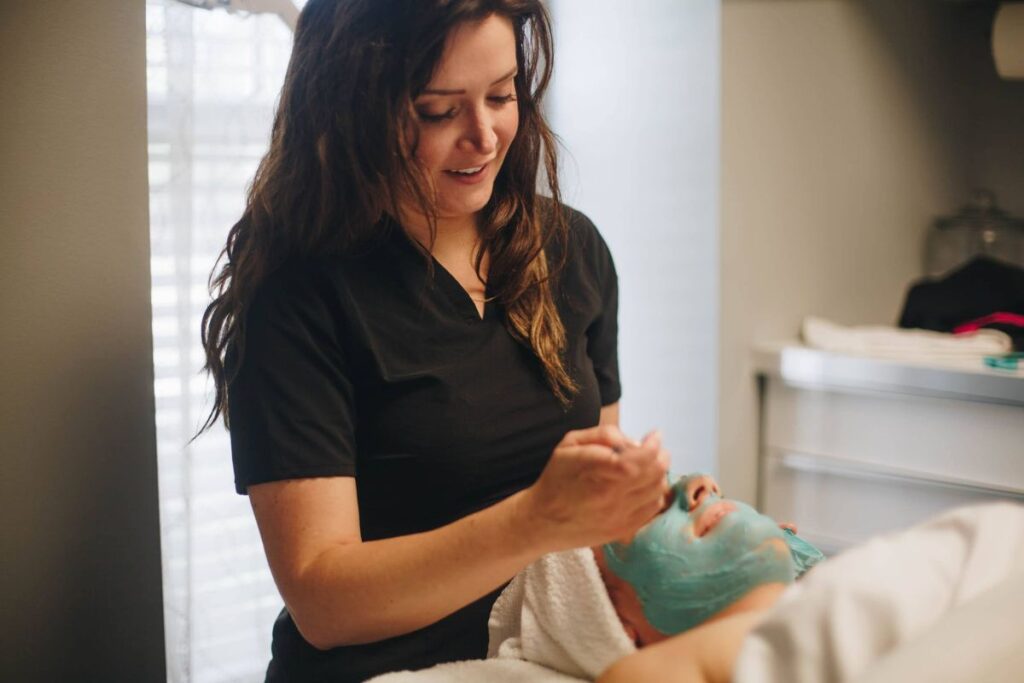
A lot of people try to “fix” everything at home right before summer starts. Supportive pre-summer care can also include cooling, non-stripping steps like a cool shower after heat exposure to avoid drying out the skin, especially before more time in the summer sun. Professional treatments usually create better results because the skin is treated strategically instead of aggressively.
This is especially true when the focus is hydration, inflammation control, and skin barrier support instead of harsh correction.
Hydrating facials and summer facials can
Who Should Start Summer Skin Prep Early

This approach is especially helpful if:
- your skin gets oily and dehydrated at the same time
- you break out more in warmer weather
- your skin gets irritated easily
- makeup starts sitting unevenly in heat
- your skin feels dull after winter
- your skin reacts badly to aggressive products
Summer should not feel like a battle with your skin.
Your routine should make your skin feel more stable, not more stressful.
Starting in spring creates a smoother transition and better results than trying to “catch up” two weeks before vacation.
Why Clients Come to Exhale Skin Studio for Summer Skin Prep

Most clients are not looking for a complicated routine. They want expert tips that bring practical clarity, not trend chasing.
At Exhale Skin Studio, the focus is on helping clients build healthier skin long-term instead of chasing trends or overcorrecting every small issue.
That means:
- customized treatments based on your skin’s condition
- a barrier-first philosophy
- calm, non-aggressive treatments
- simplifying skincare routines
- focusing on consistency instead of extremes
Good summer skin is not about doing more. It’s about doing the right things consistently.
That is why many clients in Leawood come to us when their skin feels stuck, reactive, or overwhelmed, and want support for calmer, clear skin that looks more radiant.
Summer Skincare FAQs
How early should you start summer skin prep?
Ideally 4 to 6 weeks before vacations, events, or increased sun exposure. Starting early gives the skin time to become more balanced and consistent.
Should you exfoliate more during summer?
Not necessarily. Controlled exfoliation has many benefits, but more is not better during summer because stripping the skin can worsen irritation. Over-exfoliating often creates more irritation, sensitivity, and breakouts, especially during hotter months.
What facial is best before summer vacations or events?
Hydrating and barrier-supportive facials are usually the best option before increased heat and sun exposure because they help calm and support the skin instead of stressing it further. Soothing options with aloe vera can be helpful when skin is heat-stressed before travel or events.
Why does my skin feel oily and dry at the same time?
That is often a sign of dehydration and skin barrier imbalance, not just excess oil production.
Ready for Healthier Summer Skin?

Summer skin prep should not leave your skin irritated, stripped, or overwhelmed.
The goal is calmer, healthier skin that feels balanced and easier to manage through heat, sweat, travel, and sun exposure.
When your skin stops reacting to everything, you start trusting it again.
If you want help building a summer skincare routine or preparing your skin for summer, we can guide you through a plan that actually works for your skin and keeps it calmer, healthier, and easier to manage all season long, including concerns like post inflammatory hyperpigmentation and whether a self tanner makes sense for your routine.
The best glowing summer skin usually comes from doing less, but doing it consistently, using simple steps to rid skin of sweat, oil, and buildup instead of relying on aggressive routines.