
Why Korean Skincare Works So Well for Sensitive Skin
If you have sensitive skin, you probably know the cycle. You try a new product and your skin reacts, then you exfoliate because your skin looks dull and end up dealing with even more redness.
Just when you think you have finally found something that works, irritation shows up again and your skin feels unpredictable, tight, reactive, and impossible to figure out.
For many people, the response is always the same: buy another product.
Sensitive skin may not be asking for more products. It may be asking for a calmer, more consistent approach.
That is where korean skincare often stands out. Rather than constantly challenging the skin, korean skincare emphasizes hydration, barrier health, consistency, and gentler formulations, which is why it tends to work especially well for sensitive or reactive skin.
Many people are drawn to korean skincare because of the healthy, radiant complexion often referred to as glass skin, but for sensitive skin, the real benefit is often stability. Instead of forcing change, many korean skincare routines focus on helping the skin function well over time and recover from the irritation that traditional skincare habits can trigger.
If you are dealing with redness, frequent irritation, or skin that never seems to respond the same way twice, this guide looks at why sensitive skin behaves that way, why korean skincare can help, how barrier repair fits in, which routine mistakes often make things worse, and which korean skincare routines, professional treatments, and personalized options at Exhale Skin Studio may be worth considering.
What Actually Causes Sensitive Skin?
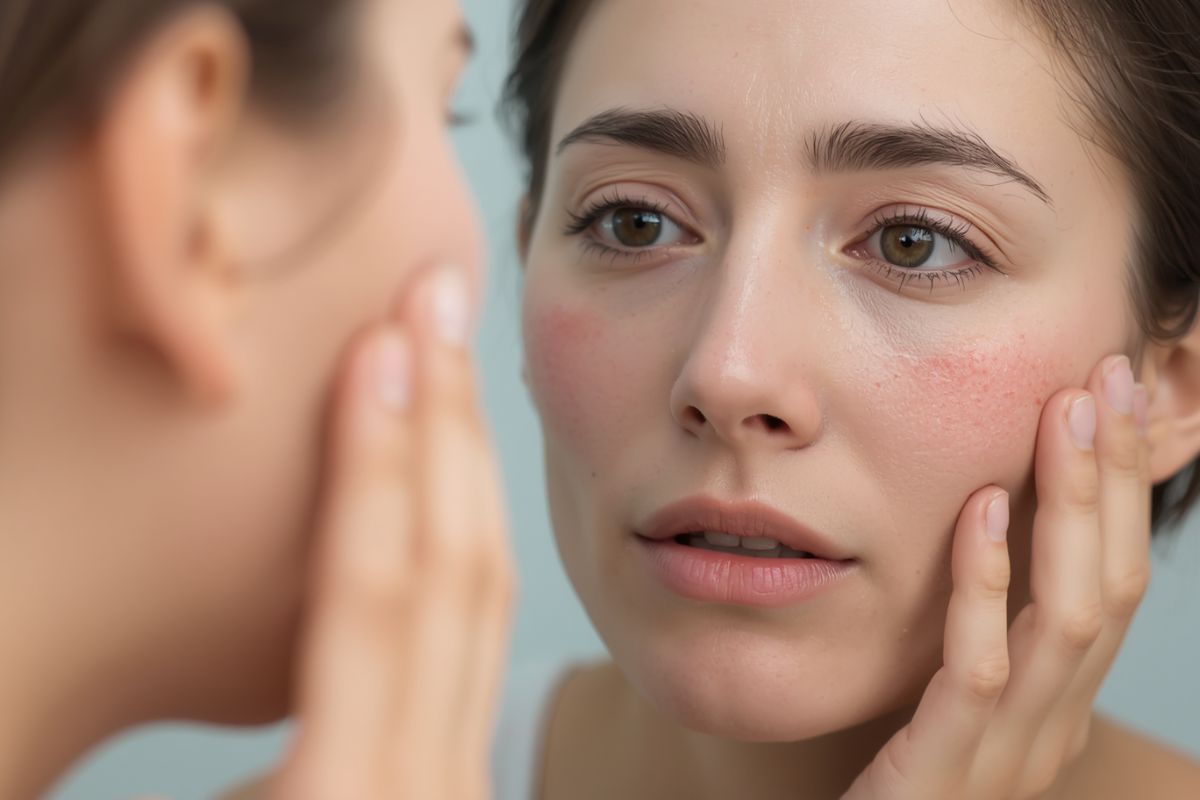
Sensitive skin is often treated like a skin type, but it is not always that simple.
Some people are naturally more prone to sensitivity, while others develop sensitized skin over time because of product overload, over-exfoliation, environmental stress, or a compromised skin barrier.
Naturally sensitive skin is often influenced by genetics, while sensitized skin develops after repeated irritation, product overload, or barrier damage. The symptoms can look similar, but the path to calmer skin may be different.
Common causes or triggers may include:
- a compromised skin barrier
- over-exfoliation
- dehydration
- inflammation
- using too many active ingredients
- changing products too often
- weather changes and travel
- aggressive acne treatments
Many people dealing with redness, tightness, or irritation are not dealing with “bad skin.” They are dealing with skin that has become overwhelmed.
Sensitive skin is not always something you are born with. Sometimes it is skin asking for less.
If your skin suddenly reacts to products you have used for years or feels oily and dry at the same time, your skin barrier may be trying to tell you something.
Skin Barrier Repair: The Missing Piece for Sensitive Skin
Your skin barrier has one very important job: protect your skin.
It helps hold moisture in, keeps irritants out, and supports your skin’s ability to recover from daily stress.
When the barrier becomes compromised, you may notice:
- products that suddenly sting
- increased redness
- tightness after cleansing
- breakouts and irritation at the same time
- dry patches mixed with excess oil
- skin that feels reactive to almost everything
Most sensitive skin is not asking for stronger products. It is asking for a stronger barrier.
The challenge is that many people unknowingly make the problem worse by adding more acids, stronger treatments, and extra products in an attempt to fix what they are seeing.
Irritated skin rarely responds well to being pushed harder.
Skin barrier repair is usually a gradual process that depends on consistent hydration, less irritation, reduced inflammation, and enough time for the skin to recover.
This is one reason many people are drawn to Korean skincare. Its emphasis on hydration, consistency, and barrier health often aligns well with what reactive skin needs most.
Why Traditional Skincare Often Makes Sensitive Skin Worse
Many skincare routines are built around correction.
A breakout appears, so an acne treatment gets added. Dryness shows up, so a heavier moisturizer gets layered on. Texture becomes more noticeable, so exfoliation increases.
The cycle continues.
While active ingredients can have a place in skincare, reactive skin rarely responds well to constant correction.
Common patterns include:
- overusing acids and retinol
- treating every breakout aggressively
- changing routines every few months
- layering too many products
- expecting immediate results
The result is often more irritation, not better skin.
Reactive skin usually responds best to fewer variables, more hydration, and a routine that stays predictable long enough for the skin to respond.
Sometimes the best thing you can do for easily irritated skin is stop trying to force it into being something it is not.
The Korean Skincare Philosophy for Sensitive Skin
The reason Korean skincare works so well for sensitive skin comes down to a few simple principles.
Hydration Comes First: The Role of Hyaluronic Acid
Hydrated skin tends to function better because it feels more comfortable, looks healthier, and often recovers more efficiently. When skin is dry or reactive, layering hydrating products can maximize absorption.
Hydration also supports the skin barrier, which matters when the skin is already reactive or depleted. Hyaluronic Acid is a key ingredient for plumping and helping hydrate skin.
Barrier Health Matters
Many Korean skincare routines place a strong emphasis on protecting the skin barrier.
When the barrier is functioning well, skin often becomes:
- less reactive
- more resilient
- better at retaining moisture
- easier to manage
Consistency Over Intensity
Sensitive skin thrives on predictability.
Small improvements made consistently over time usually create better results than aggressive routines that leave the skin overwhelmed.
Prevention Over Correction
Many Korean skincare routines prioritize hydration, consistency, and barrier care, which may help reduce some of the conditions that commonly contribute to irritation. This preventive mindset also shows up in Korean sunscreen formulas, which are often light while still offering broad-spectrum protection.
That shift may sound simple, but it changes the way you approach your skin.
Why Korean Skincare Works So Well for Sensitive Skin
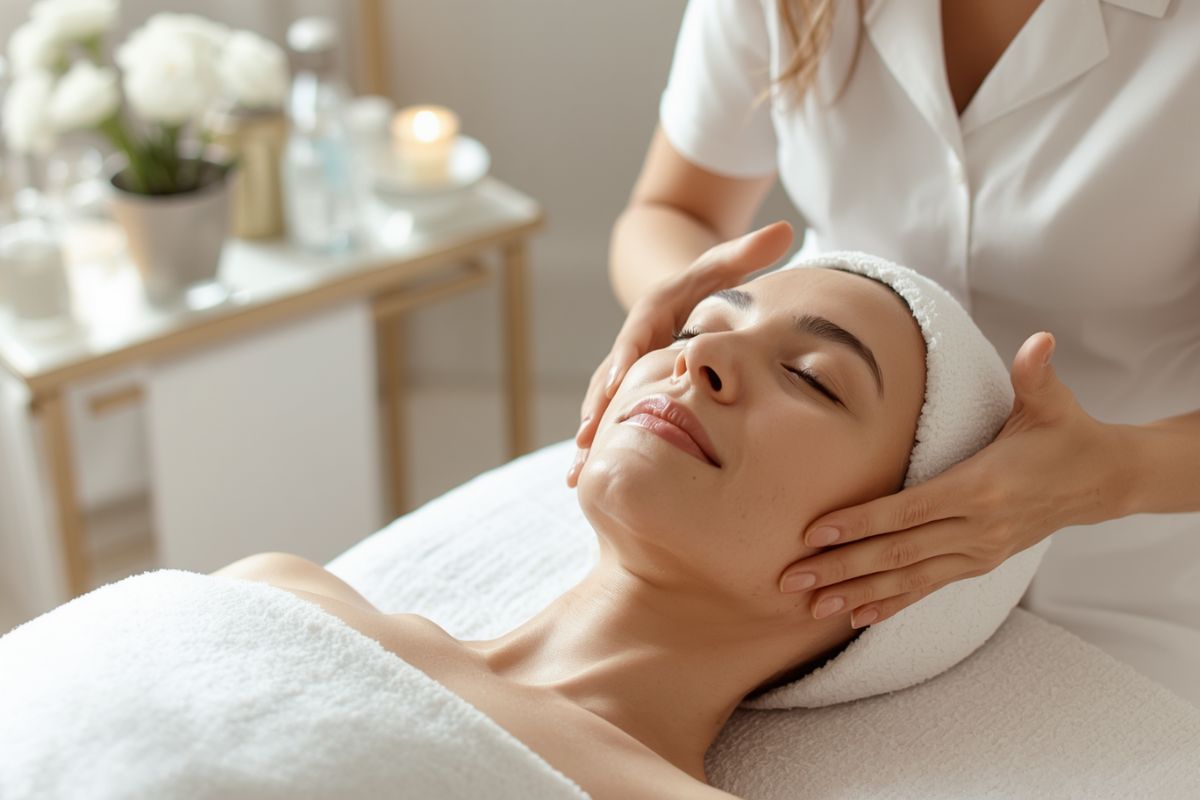
Korean skincare for sensitive skin tends to work because it supports the skin rather than constantly challenging it.
In general, this approach may focus on:
- hydration
- gentler formulations
- barrier health
- long-term consistency
- inflammation management
- healthy skin function
The goal is not to make sensitive skin tougher. It is to help it become calmer and more stable.
This is also why so many people chasing glass skin eventually realize that healthy skin has to come first.
Glowing skin is usually the result of skin that is functioning well, not a routine packed with the most products.
For a deeper look at the philosophy behind this approach, read our guide, The Real Reason Korean Skincare Works.
A Sensitive Skin Skincare Routine Using Korean Skincare Products
One of the biggest misconceptions about korean skincare is that everyone needs a 10-step routine.
The reality is much simpler.
Most sensitive skin does better with fewer products used consistently.
A Korean-inspired skincare routine for sensitive skin might include:
- Gentle cleanser
- Hydrating toner or essence
- Lightweight serum after toner or essence for better absorption when applying
- Barrier-supportive moisturizer
- Daily SPF
Products are generally layered from thinnest to thickest consistency, which makes the routine easy to follow. A moisturizing cream should be the last step before daily SPF in this kind of routine. A sheet mask can also be used occasionally for intense hydration and active ingredients.
A five-step routine used consistently will usually serve sensitive skin better than ten products used unpredictably.
It is also important to remember that “gentle” does not mean universally tolerated. Sensitive skin can still react to products labeled soothing, calming, or fragrance-free, so introduce one new product at a time and give your skin several days before adding another.
That slower pace makes it easier to understand what your skin responds well to and what may be triggering irritation.
The best skincare routine is the one your skin can tolerate consistently.
Why Korean Facials Work So Well for Sensitive Skin
Professional treatments can make a significant difference, especially when reactive skin feels stuck.
One reason Korean facials have become so popular is that they typically prioritize hydration, circulation, and skin health rather than aggressive correction.
Korean facials often focus on:
- deep hydration
- gentle exfoliation
- calming inflammation
- improving circulation
- supporting the skin barrier
- LED therapy
- customized treatment choices
In Korean skincare culture, professional treatments are often viewed as part of regular maintenance rather than something reserved for a crisis.
Many of our clients in Leawood come to Exhale Skin Studio after years of trying product after product without realizing that barrier damage was keeping their skin stuck.
Once the focus shifts to understanding the skin instead of fighting it, things often start to change.
For many clients, this is the first time they realize their skin does not need to be managed more aggressively. It needs to be understood more clearly.
If you’re curious about the glow so often associated with Korean skincare, our guide to The Korean Skincare Secret Behind Glass Skin explores why healthy skin always comes first.
The Carboxy Facial and Sheet Mask: Korean-Inspired Treatments for Sensitive Skin
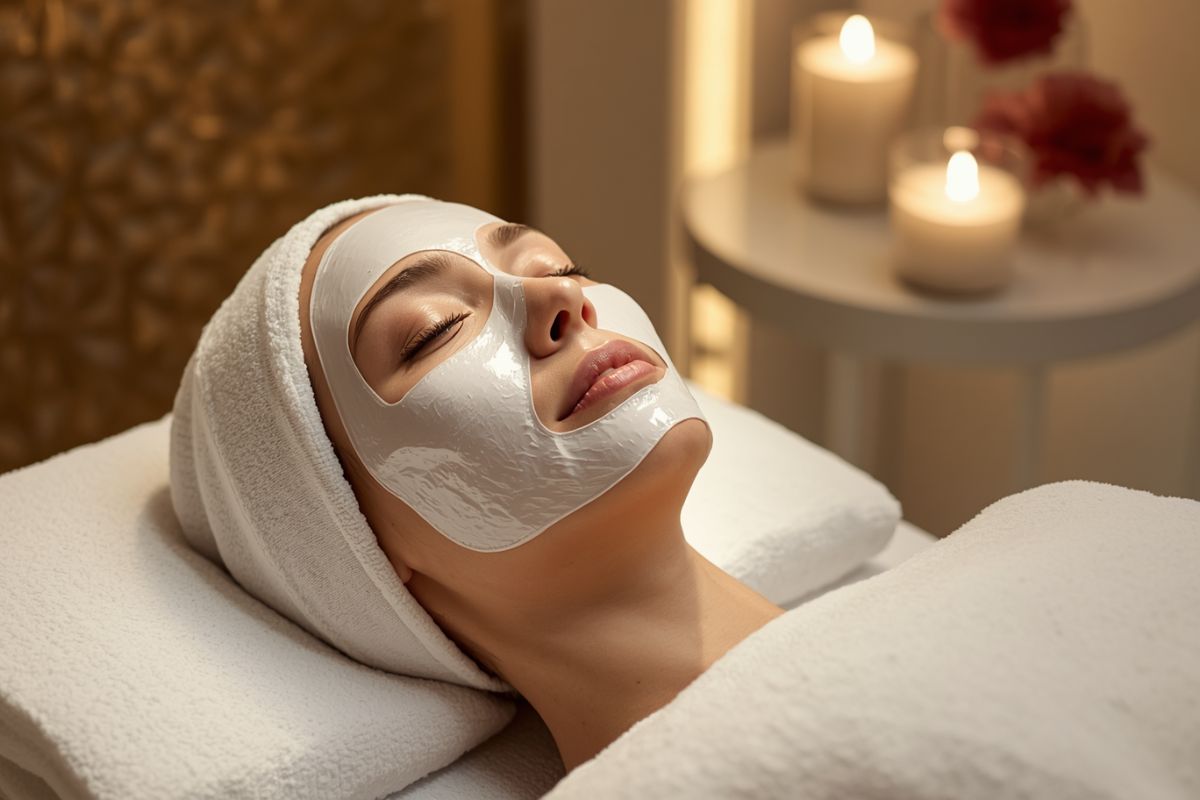
One treatment that aligns well with Korean skincare philosophy is the Carboxy Facial.
At Exhale Skin Studio, treatment recommendations are always based on your current skin condition, barrier health, and overall goals. While many clients with reactive or dehydrated skin enjoy the Carboxy Facial, it is never treated as a one-size-fits-all solution.
Unlike aggressive treatments designed to strip or rapidly resurface the skin, the Carboxy Facial works by supporting the skin’s natural processes.
Depending on the skin’s condition, the treatment may help improve:
- hydration
- circulation
- overall skin vitality
- brightness
- the appearance of uneven tone
The treatment should complement the skin’s condition, not challenge it unnecessarily.
Many clients choose the Carboxy Facial because they want healthier, more radiant skin without aggressive resurfacing or significant downtime.
It may be especially suitable for:
- dull or tired-looking skin
- dehydrated skin
- uneven tone
- stressed skin
- post-travel skin
- pre-event preparation
Healthier, better-hydrated skin is often the first step toward creating the smooth, radiant look people associate with glass skin.
As with any treatment, suitability should always be determined through a professional consultation and skin assessment.
Signs Your Sensitive Skin Needs a Different Approach
You may benefit from a different approach if:
- your skin reacts to almost everything
- redness comes and goes without explanation
- your skin feels dry and oily at the same time
- products work temporarily before irritation returns
- your routine changes every few months
- your skin never feels truly calm
- you are afraid to try anything new because of past reactions
Sensitive skin should not feel like a full-time job.
If your skin feels unpredictable no matter what you do, the answer may not be another product. It may be a simpler strategy and a treatment plan based on what your skin can actually tolerate.
Why Clients Come to Exhale Skin Studio
Most clients do not come to us looking for another product recommendation. They come looking for answers.
At Exhale Skin Studio, our approach is rooted in many of the same principles that make Korean skincare so effective.
Healthy skin starts with understanding what your skin is trying to communicate, not adding more products every time something changes.
Our focus is on:
- customized recommendations
- a barrier-first philosophy
- simplified skincare routines
- Korean-inspired treatments
- long-term skin health
- education before product recommendations
We work with clients throughout Leawood, Overland Park, and Johnson County who are tired of guessing and want a plan based on how their skin is behaving now, especially those dealing with redness, irritation, and chronically sensitive skin.
Most clients do not need more products. They need a better strategy.
Whether your concerns include redness, sensitivity, dehydration, or simply wanting calmer skin, our goal is to help your skin become healthier, more resilient, and easier to manage over time.
Korean Skincare FAQs
Is Korean skincare good for sensitive skin?
It can be. Many Korean skincare routines emphasize hydration and barrier care, and many k beauty products for sensitive skin also feature ingredients such as snail mucin and Centella asiatica, but sensitive skin still requires careful product selection and gradual introduction.
Can Korean skincare help with redness?
It may help, especially when redness is connected to dehydration, inflammation, or a compromised skin barrier.
Can Korean skincare repair the skin barrier?
Korean skincare cannot repair the skin barrier overnight, but its emphasis on hydration, consistency, and gentle care can help create conditions that allow the barrier to function more effectively over time.
Do I need a 10-step Korean skincare routine?
No. Sensitive skin often responds better to a shorter, more predictable routine.
Can sensitive skin use exfoliating acids?
Sometimes. Frequency, formulation, and barrier health all matter, and sensitive or sensitized skin often benefits from a slower, more intentional approach to exfoliation, especially when irritation is already present.
What is the best facial for sensitive skin?
Hydrating and barrier-supportive treatments, including Korean facials and carefully selected Carboxy Facial treatments, can be good options depending on your skin’s condition.
Ready for Calmer, Healthier Skin?

Sensitive skin does not always need stronger products. More often, it needs less irritation, more hydration, and a plan that supports the skin consistently.
If your skin feels reactive, unpredictable, or exhausted from constant product changes, Korean-inspired skincare may be the calmer approach you have been looking for. Ingredients like Niacinamide can also support a more clear-looking complexion by helping brighten uneven skin tone and refine pores.
If you are looking for Korean skincare for sensitive skin in Leawood, Exhale Skin Studio can help you simplify your routine, understand your barrier, and create a treatment plan that supports calmer, healthier skin over time.
Healthy skin is not built by pushing harder. It is built through consistency, hydration, and a strategy that helps your skin feel calm again.